VIETNAM NATIONAL UNIVERSITY-HO CHI MINH CITY
UNIVERSITY OF SOCIAL SCIENCES AND HUMANITIES
FACULTY OF ENGLISH LINGUISTICS & LITERATURE

Practicum
Portfolio
Group 3.1
Supervised by
Tran Thi Minh Phuong, Ph.D.
HO CHI MINH, JUNE 2024
Members
Nguyễn Thanh Thương
Nguyễn Phú Thịnh
Trần Nguyễn Quỳnh Như
(22814011150)
An ambitious ESL and lead teacher with an academic background in teaching general English, having 03 years of teaching experience.
(22814011148)
An academic supervisor with an ambition to train ESL teachers and unleash the potential of interactive English lessons.
(22814011134)
A dedicated ESL teacher with 05 years of experience in teaching general English to diverse learners. Her passion for enhancing reading skills is reflected in her ongoing research into effective strategies for reading comprehension.
Nguyễn Hoàng Thành
(22814011145)
An IELTS teacher who is famous for being dedicated and hilarious. His lessons are more exciting with his unique sense humour.
Võ Thái Tâm Thy
(22814011151)
An enthusiastic ESL teacher specializing in General English with a keen focus on dynamic and interactive English-driven lessons.
Table of contents


PART 1: THE REVISED LESSON PLAN
A. STUDENTS AND SETTING
Students:
- Students’ age: 18-19
- Students’ proficiency level: Pre-Intermediate (A2-B1)
- Students’ characteristics: The students are non-English-majored students.
- Students’ English experience:
- According to the Teacher book as well as the CEFR’s detailed description of the students’ overall language ability, it can be seen that when reaching the Pre-Intermediate level, students have been equipped with and grown accustomed to frequently using a number of key grammatical patterns (e.g., gerund and infinitive, modal verbs, basic determiners, etc.), coupled with some basic tenses (e.g., present simple/continuous, past simple/continuous, future, etc.). Additionally, they have developed a meaningful understanding of sufficient lexical items to engage in communication of several commonly discussed topics concerning real-world situations (e.g., aspects of their past, environment, and matters related to their immediate needs). In this regard, students reaching this level also demonstrate proficiency in personalizing and internalizing the acquired language and prior knowledge, accompanied by the basic level of creative thinking to talk about themselves and their own lives in different settings and contexts.
- The students have also constructed phrases on familiar topics with sufficient ease to handle simple and direct social exchanges, albeit markedly noticeable hesitation, foreign accent, and non-target-like linguistic patterns. However, the ideas they try to convey are usually comprehensible and intelligible.
- The students are able to build self-regulation as a role of language learners, work collaboratively in pairs/groups, and to some extent successfully employ higher-order thinking skills, along with interpersonal skills to engage in the teaching-learning process.
Setting:
- Institution: English 3 – D3 class, Thai Binh Duong University, Room A201
- Class size: around 30 students
- Duration: 50 minutes
1
B. LESSON BACKGROUND
- Previous lesson (Section 4B): In the previous lesson, students listened to people talking about their goals, used going to and the present continuous for future plans, and understood weak forms of prepositions and articles.
- Current lesson (Section 4C):
In today’s lesson, teachers will engage students in activities exploring motivation, recognizing fillers in a podcast, and making promises, offers, and spontaneous decisions. Starting with a discussion on different types of motivation, students will identify personal motivators through a small game, sparking their interest. Next, students will listen to a podcast segment to identify the target structure “Will / Won’t”, enhancing their listening skills and awareness of natural conversation flow. The primary focus will be practicing grammar related to making promises, offers, and spontaneous decisions using “Will / Won’t”. Through a post-teaching brief presentation, students will practice these expressions. Furthermore, collaborative activities will integrate critical thinking, creative thinking, and teamwork, ensuring a comprehensive learning experience. By the end of the lesson, students will confidently use motivational language, and make offers, promises along with spontaneous decisions effectively.
C. AIMS AND OBJECTIVES
- Aims: The lesson aims to provide students with:
- The vocabulary related to the topic “motivation” and the target language to talk about promises, offers, and spontaneous decisions;
- Controlled, semi-controlled, and personalized practice in listening, speaking and writing skills;
- Opportunities to think critically and share their personal experiences on the topic of "motivation."
- Objectives: By the end of the lesson, students will be able to:
- Use the target vocabulary to talk about the topic “motivation” in a personalized context;
- Apply the target language (will/won’t) to make monologues to express promises, offers, and spontaneous decisions in particular settings;
- Collaborate with their fellow peers effectively to participate in pair/group activities/discussions to complete the given tasks.
2
D. MATERIALS AND SOURCES
- Textbook: Bryson, E., & Lee, C. (2021). Voices A2/B1 – Student's book. National Geographic, pp. 52-53.
- Handout: printed handouts (Hawaiian grass skirt, crossword, mindmap), audio transcripts, etc.
- Teaching aids: PPT slides, whiteboard, students’ mini-boards, markers, etc.
E. PROCEDURES
Note: T: teacher; S: student; Ss: students
Stages and Timing | Stage aims | Teacher activity | Student activity | Anticipated problems and solutions | |
Pre-teaching (10’) | Warm-up & Lead-in activity | - Encourage Ss to self-figure out the lesson topic, which is related to “Motivation.” - Encourage Ss to work collaboratively in groups to self-discover the target words they are going to learn. - Expose Ss to the target words’ meaning and use in the context of “Motivation” topic. Strengthen Ss’ collaboration, critical thinking & problem-solving skills. | -Divide Ss into 5 groups & have them sit together in groups. -how the activity on a slide and introduce Ss to the activity called “Hawaiian Crossword” -Prepare 5 pieces of paper in the form of a crossword puzzle with 10 target words & 1 hidden topic word, then deliver to 5 groups. -Prepare 5 pieces of paper containing the hints for the 10 target words & cut them into the form of a Hawaii grass skirt. -Stick each grass skirt on the whiteboard & assign each group one skirt. -Instruct Ss on the rules step by step, followed by several ICQs: | -Sit in groups. -Receive a piece of crossword puzzle paper & listen to T’s instruction for the activity, and answer each ICQ to ensure understanding. -Run & tear each piece of grass to solve the crossword puzzle. -Consult with T on each answer before writing it down. -Discover the hidden word. -Figure out the word forms of “Motivation” & “Motivate.” Share ideas & understanding of the topic “Motivation.” | -T may notice that the activity may be difficult for the weak class, then T can give Ss 12 words in advance, so they can look at the meaning & choose 10 from those 12 words. -If Ss have difficulties in understanding the rules, T may explain some steps in Vietnamese. -If Ss get confused with the definition, T may show them the backup visual aids to support their understanding. |
3
Stages and Timing | Stage aims | Teacher activity | Student activity | Anticipated problems and solutions | |
+Have Ss complete the crossword puzzle in the limited time allotted (5’). +Ask each student to take turns running to the board & tear a piece of grass to get the hint & fill in each number relatively. +Confirm each number before Ss write it down in their paper. -Have Ss do the activity, set the timer & confirm Ss’ answers. -Wrap the activity up & correct their crossword puzzle. -Have Ss discover the target hidden word, which is “MOTIVATION” & elicit them to figure out the form of its verb, which is “MOTIVATE” & then lead them to discuss the topic. | |||||
While- teaching (30’) | Vocabulary (#2, p.52) 10' | -Consolidate Ss understanding of the key concept “Motivation” -Provide Ss with several vocabulary and collocations to express themselves on the target topic -Help Ss classify motivation into external and self-one | -Teach the vocabulary by using visual aids. -Show the picture and ask Ss to elicit/describe what they see in the picture -The description will be followed by definitions and pronunciation -During the vocabulary phase, CCQs and ICQs will be employed | -Listen to T, look at the pictures, and share what they see in each. -Answer ICQs and CCQs -Work in pairs, complete task 2 page 52, and give answers to the questions randomly -Work in pairs to brainstorm their ideas in 1 minute then share their answer. | -If Ss find it challenging to guess the words from the pictures, T may give some hints to orient their answers. In case Ss don’t know how to do the task, T may pick 1 sentence to demonstrate. |
4
Stages and Timing | Stage aims | Teacher activity | Student activity | Anticipated problems and solutions | |
- Fortify Ss’ speaking of the specific topic under the theme “motivation” through T-S interaction | -Arrange Ss into pairs to complete Task 2 page 52 - Correct the task as Ss can be asked to give answers and double--check their friends’ answer -Show the picture of motivation classification then elicit it when CCQs will be given to Ss. -Enhance the interaction between T and Ss by asking: “What motivates you to learn English? What type of motivation is it?” Let Ss work in pairs to brainstorm their ideas in 1 minute, then they will be asked to share randomly. | ||||
Listening (#5 & 6, p.53) 10’ | -Fortify the Ss’ content predicting ability by getting them to anticipate what will be said next based on the given context -Strengthen Ss’s listening skills in terms of understanding the basic content such as details and main ideas Aid the Ss retention and usage of the newly acquired words by | -Get Ss to quickly read the instructions in tasks 5 and 6 at the same time and underline the keywords in the statements in task 6 -Have Ss discuss in pairs to predict the two questions in task 5 based on the keywords given in tasks 6 (What is Linzi motivated to do? What does she need help with motivation for?) and provide explanations for their answers | -Read the instructions in tasks 5 and 6 and underline the keywords in the statements in task 6 -Work collaboratively to discuss the possible answers for tasks 5 and 6 and give reasons for their predictions -Carefully listen to the audio and jot down any answers they can get from the audio - Cross-check the answer in pairs as requested | -If the T notices that the Ss have difficulties completing the required listening tasks simultaneously, the T can flexibly let them listen to each task one at a time. -If lower-level Ss fail to get the answers, the T can pause at the part containing the answer to help them focus specifically on that section. If the time is limited, the T can skip | |
5
Stages and Timing | Stage aims | Teacher activity | Student activity | Anticipated problems and solutions | |
showing them the communicative context where -those lexical items are used - Expose Ss to the context in which the targeted grammar points (Will/Won’t for promises, offers, and spontaneous decisions) in the following section will be presented | - Have Ss discuss with their partner to guess the possible answers for task 6 and anticipate alternative answers -for statements they think are false -Play the audio twice and ask Ss to listen and simultaneously do tasks 5&6 -Ask Ss to note any answers they can remember for the two questions in task 5 and the five statements in task 6 while listening -Let them compare answers in pairs - Invite Ss to give out the answers and ask the rest to check if correct Have Ss listen to the audio the third time with the transcript accompanied to help them thoroughly understand the conversation and double-check their notes | - Give out the answers with reasons - Listen and comment on other Ss’ answers - Carefully check and correct the answers | the third listening and deliver the printed transcripts for the Ss in the Grammar section. | ||
Grammar (#8-9 p.53) (10’) | -Add an opportunity for explicit language instruction | -Give 2 halves of the transcript to each group, asking Ss to underline the Sentences showing “will/won’t” | -Receive handouts, underlining sentences in the present and the future | -Ss are quiet on the question → T invites some of the Ss directly | |
6
Stages and Timing | Stage aims | Teacher activity | Student activity | Anticipated problems and solutions | |
-Aid Ss chances to use “will/won’t” to express promises, offers, and spontaneous decisions - Add more chance for Ss’ teamwork. | -- Ask Ss if they give out the usage of “will/won’t” from those sentences - Check Ss understanding by asking them to match examples 1-2-3 to the 3 uses of “will” -Distinguish between Promises and Offers -Ask Ss to have a look at task 9, first use item 6 as an example, then demonstrate “function category” activity - Assign each group 1 sentence (5 groups), ask them to give a response on the class board in 1 minute; then use a random wheel to pick a sentence; other groups need to write down the function on their mini board. The fastest group with the correct answer earns 1 point. | -Look back at sentences containing Will/Won’t and figure out the usage of “Will” in these cases, then finally, give out the 3 uses of “Will” - Match examples 1-2-3 to the 3 uses of “Will” -Look at task 9, listen to the T demonstrating the activity -Receive the sentence and discuss in groups to write the response A representative writes a response to the given sentence in 1 minute on the class board. After seeing the number of the chosen sentence, other groups immediately write down the function of that sentence on their mini board and raise it as soon as possible. | -If Ss cannot figure out the rules from existing examples → T points out the 3 uses of “Will” → Ss finds the examples that indicate these uses. Ss can be confused at first, so the T needs to demonstrate by asking them to do as-is what the T says with item 6. The class may be chaotic if they are too competitive, so the T only accepts the first correct answers, and calms down the losing groups. | ||
Post-teaching (10') | Speaking Wrap-up activity | -Consolidate the given knowledge Apply the given knowledge about “motivation” in the lesson to talk about how to motivate Ss in learning English | -Ask Ss in groups to draw a mind map to answer the question “What are the best ways to motivate English learners?” - Give feedback | - Ss in groups draw a mind map about the lesson - Ss use the given vocabulary to write example sentences 1 representative from each group briefly presents their group’s mind map | -Ss forget the given knowledge → T reminds and gives hints Ss struggle to write example sentences → T gives hints |
7
PART 2: MICRO-TEACHING
I.REFLECTIONS ON STRENGTHS AND WEAKNESSES
There are certain aspects of the micro-teaching session that is of great worth of consideration for all the members in our team. One of the most significant issues is time management. During the teaching session, most team members spent more time than allotted, which made the lesson prolong beyond its regular time. This problem can be attributed to the fact that all the team members are novices in teaching a real university class. None of the members had ever had experience in teaching at the tertiary level before; therefore, it seems that they really struggled to conduct a class at a university or a college successfully for the first time. Also, it can be also due to their amateurism in making a well-prepared and flexible lesson plan to still offer the learners enough major knowledge but also finish on time. This lack of time management skills is predominant in our supervisor’s comments and our team should really pay great attention to it for betterment in the near future.
Besides, the choices of teaching methods and strategies should also be mentioned as one of the weaknesses of our team. Specifically, Thinh should have adopted a different teaching technique for the vocabulary session to suit the learners better. Thy seems to be over-dependent on the Grammar-Translation method in her session; therefore it is vital that she implement various other teaching strategies to meet dissimilar learning styles of the learners. Nhu also needs to improve her teaching style based on the comments of the two observing teachers as it seems that Nhu was in a bit of encouraging spirit in her turn. The observing teachers advised that she needs to apply more motivational strategies for a more exciting class atmosphere. Thanh needs to adjust certain parts of his session as well. The comments state that the lesson would have been more successful if he had provided the learners with more examples and incorporated a warm-up activity at the beginning of his teaching turn. Last but not least, our team should also take other small issues into account, including games design, font in slides, and writing on the board.
Besides certain aspects that need betterment, our team also showcased specific strengths in our micro-teaching session. One of the most common good points in most members is to provide clear instructions in our turns. Almost all the members were well aware of the importance of clear
8
instructional strategies and their positive impact on the lesson; therefore, we all implemented the verbal utterances in the clearest manner. We preferred instructional words and phrases which are simple enough for the student’ level to avoid confusion among the learners as well as regrettably wasted time for following the first language unnecessary explanations. Another strength of our team that is greatly acknowledged among the observing teachers is how we presented ourselves in front of the class. While Thuong and Thinh were praised for maintaining brilliant eye contact with the learners and using a nice voice, Thy truly impressed the observing teachers and the learners with her energy and enthusiasm, making the lesson exciting and engrossing to a great extent. In addition, we really take pride in how flexible we were in selecting appropriate teaching approaches and methods in our micro-teaching session. We constantly applied various techniques to avoid boredom among the learners and also meet the demands of different learning styles among them. Thuong stood out with her habit of concept checking to ensure that the learners well understood her instructions and the requirements for the tasks. Meanwhile, Thanh did an amazing job in selecting appropriate classroom activities to conclude the lesson.
To sum up, despite certain faults as mentioned above, our team members were really happy about our first time of conducting a lesson at a tertiary level at the practicum Thai Binh Duong University. The comments and feedback from the two experienced observing teachers are tremendously valuable to us all in our journey of developing our professionalism. We all know that we should take these comments into great account and consider them as guidelines in our career path. Although the micro-teaching was quite short, we did learn so much and gain priceless experience. We believe that this opportunity will be a remarkable event in our professional life. We would like to send our dearest thanks to the two brilliant observing teacher for their constructive words and contributions and the learners at Thai Binh Duong University for their amazing cooperation.
9
II. FROM EXPECTATION TO REALITY
When our teacher group embarked on this practicum, we anticipated that the students, with their A2-B1 English proficiency levels, as informed previously, would engage actively in the lessons, given their basic communicative skills in English. Drawing from our experience in English centers, where an English-oriented educational environment is the norm, we expected the observed class to mirror this approach. However, the observed class was markedly different. The students were reserved and unaccustomed to a fully English-driven lesson. The teacher predominantly used Vietnamese, even for instructions and explanations, resulting in minimal student participation and excessive teacher talk time. To address this unexpected challenge, we adapted our lesson plan to better match the students' actual proficiency. We simplified instructions and excluded certain tasks to ensure engagement and fit the allotted time. Despite these adjustments, time constraints prevented us from fully completing the micro-teaching as planned. This necessity to constantly adapt and think on our feet was a crucial learning curve, highlighting the importance of preparation but also the need to be flexible.
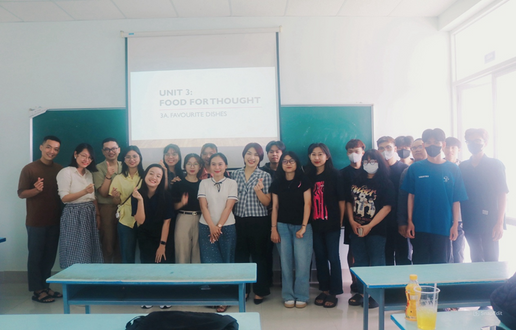
Feasting on knowledge while observing a food lesson at TBD University
Moreover, this experience underscored the importance of cultural and contextual understanding in teaching. Teaching at a university in a non-English-speaking country presented a different set of challenges. The students' hesitation to speak up and engage in English was a stark reminder of the diverse backgrounds and varying levels of exposure to English that students bring into the classroom.
10
Additionally, our interactions with the local teacher provided invaluable insights. Observing their methods and discussing the challenges they faced gave us a broader perspective on the educational context and the constraints within which they operate. The reliance on Vietnamese for instructions, while initially surprising to us, made sense in a context where students might not be as comfortable or confident in their English skills. This understanding prompted us to reflect on our teaching practices and consider the balance between pushing students to use English and ensuring they understand the content being taught.
Despite the initial setback of not meeting our expectations, the experience was profoundly enriching. It allowed us to apply theoretical knowledge and teaching strategies from the MATESOL course in a real setting. More importantly, it provided critical insights into the importance of flexibility and adaptability in teaching. We realized that effective teaching is not just about sticking rigidly to a lesson plan but about being able to pivot and adapt based on the students' needs and responses.
In conclusion, although our initial expectations were not met, the experience enriched our understanding of teaching in diverse contexts and will undoubtedly inform our future teaching practices. It highlighted the necessity of being adaptable and culturally aware and reinforced the value of reflection and continuous improvement. This practicum has equipped us with a deeper understanding of the complexities of teaching English in different settings and 1strengthened our commitment to creating more effective and student-centered learning experiences.
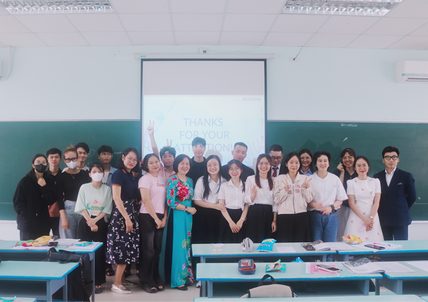
Wrapping up an unforgettable micro-teaching session at TBD University with two beloved lecturers - Ms. Phuong, and Mr. Trung Anh, and our amazing students!
11
PART 3: THE WORKSHOP ROLES & RESPONSIBILITIES CHECKLIST
No. | STUDENTS | ACTIVITIES | ||
Planning Designing materials Organizing, etc | Presentation | Poster | ||
1. | Trần Nguyễn Quỳnh Như | |||
2. | Nguyễn Hoàng Thành | |||
3. | Nguyễn Phú Thịnh | |||
4. | Nguyễn Thanh Thương | |||
5. | Võ Thái Tâm Thy | |||

12
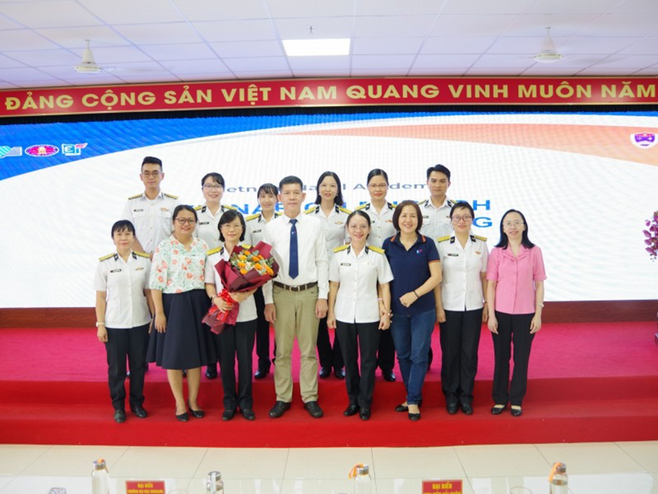
A photo was taken to honor the lecturers of USSH and VNA at the Seminar
During the seminar, EF the postgraduate students and NA undergraduate students had intensively proactive interactions and discussions on effective tips and techniques for learning English skills. It can be seen that the Vietnam Naval Academy not only trains students the specialized skills and knowledge in the field of the Vietnamese military. They also highlight the role of English in preparing the students with enough essential skills for globalization, one of the inevitable requirements for any global citizens in this flat world, especially for Vietnamese military staff.
II. APPLICATION OF TESOL/ELT KNOWLEDGE
Through the opportunity of the practicum, Group 3.1 has learned three precious lessons about implications of ESL literature researched in the local context of Thai Binh Duong University. To begin, effective language teaching thrives on a balanced integration of both the target language and students' native language, which is crucial for fostering comprehension and sustaining motivation. Next, by synergizing top-down and bottom-up instructional approaches, teachers can deliver a holistic learning experience that meets diverse student needs. Moreover,
15
flexibility in addressing challenges, such as time constraints, plays a pivotal role in enhancing lesson engagement and effectiveness. Employing these strategies allows teachers to create a dynamic and supportive classroom environment, ultimately promoting successful language acquisition and student development.
Balancing immersion and comprehension in language use is crucial for effective classroom instruction. Using 100% of the target language in the classroom is a widely supported practice, as it is believed to help students increase fluency and create an immersive learning environment. This belief is grounded in research such as Long's (1980) study, which highlights the benefits of full immersion in language acquisition. Surrounding students with the target language helps them to think and operate in that language, fostering a natural and intuitive grasp of linguistic structures and vocabulary (Long, 1980). This approach mirrors how students learn their first language, emphasizing listening and contextual understanding over explicit grammar instruction. Immersion can also help students overcome the initial reluctance to use the new language, as they have no alternative but to communicate and interact in it.
However, in practical teaching scenarios, relying solely on the target language can present significant challenges. In our teaching experiences, we observed that while using English exclusively, students often struggled to grasp instructions and concepts, which led to confusion and disengagement. These challenges can negatively impact students' understanding and motivation, ultimately affecting the flow and effectiveness of instruction. To address this issue, we found it necessary to provide supplementary guidance in Vietnamese. This bilingual approach ensured that students comprehended the tasks and instructions, facilitating a smoother learning process. When introducing new vocabulary and grammatical structures in English to Vietnamese students, we first presented the concept in English and then provided a brief explanation or answer questions in Vietnamese. This helps ensure that all students understand the material, allowing them to apply their knowledge more effectively when using English. Thus, a balanced use of the target language and the students' native language can enhance understanding and maintain student engagement.
16
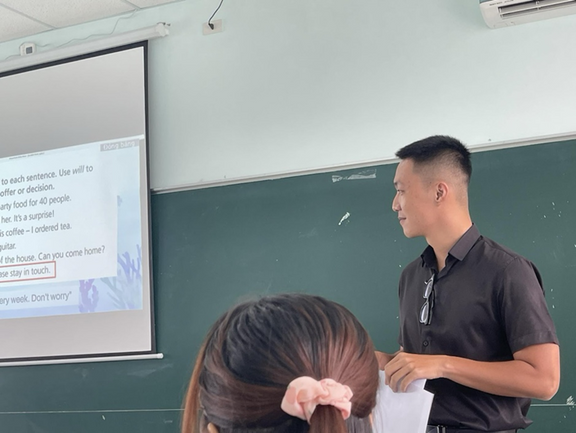
Mr. Thanh is instructing students in dual languages
The top-down and bottom-up approaches to teaching offer distinct advantages and can be used to complement each other effectively. The top-down approach encourages learners to draw connections between the material and their personal experiences, fostering deeper comprehension and insightful inferences. Anderson and Pearson (1984) emphasize that this method promotes a more meaningful understanding of the content. On the other hand, the bottom-up approach is particularly suitable for beginners and struggling students, as it focuses on building foundational skills such as phonics, decoding, and vocabulary development (Harmer, 2015; Richards & Schmidt, 2010).
In our classroom, which consisted primarily of struggling students, we found it appropriate to adopt a four-stage lesson plan that blended both approaches. This hybrid method allowed us to leverage the benefits of each approach, providing students with opportunities to activate their existing knowledge during warm-up activities while simultaneously building new knowledge through step-by-step instruction. By incorporating both top-down and bottom-up strategies, we created a comprehensive learning environment that addressed the diverse
15
needs of our students. Warm-up activities and while-teaching activities encouraged students to connect with the material on a personal level, enhancing their engagement and understanding. During the guided practice phase, we blended top-down and bottom-up strategies to reinforce learning. Activities were designed to allow students to apply their foundational skills (bottom-up) while making connections to broader concepts (top-down). For instance, students might practice new vocabulary from the warm-up activity through sentence construction exercises with “will/won’t”, then use those sentences in discussions or writing tasks related to the lesson’s broader themes (i.e. mind mapping - a post-teaching activity). This combination facilitated a deeper understanding and allowed students to apply their skills in meaningful contexts. Concurrently, the structured progression of the lesson plan ensured that students developed essential language skills systematically. This can be seen that the hybrid approach not only supported the academic growth of our struggling students but also fostered a deeper, more meaningful connection to the material. Therefore, it demonstrated that by blending different teaching strategies, educators can create a dynamic and effective instructional framework that maximizes student learning and engagement.
One of the most critical lessons we learned through our teaching experiences is the importance of adaptability. Successful teaching requires the ability to adjust and respond to various challenges that may arise during a lesson. One significant obstacle we encountered was time management. Poor timing, particularly when lessons ran too long, emerged as a common issue for all teachers in Group 3.1. Effective time management is crucial for maintaining student engagement and ensuring that all planned activities can be completed within the allotted time. When lessons exceed their intended duration, students may become fatigued and lose focus, which hinders their learning experience. To address this challenge, we learned to be more flexible and adaptive in our lesson planning and execution. By closely monitoring the flow of the lesson and making real-time adjustments, we were able to keep students engaged and on track. This required being attuned to the students' responses and being prepared to modify activities or pace as needed. Through trial and error, we discovered that a well-timed and adaptable approach to teaching will significantly enhance the overall effectiveness of a lesson.
16
In conclusion, effective language teaching requires a delicate balance between using the target language and the students' native language to ensure comprehension and maintain motivation. Combining top-down and bottom-up approaches provides a holistic learning experience that caters to different student needs. Finally, adaptability is essential for overcoming challenges such as time management, ultimately leading to more successful and engaging lessons. Through these strategies, teachers can create a dynamic and supportive learning environment that fosters language acquisition and student growth.
III. INDIVIDUAL REFLECTION
- Nguyễn Thanh Thương
After my practicum experience, it has been a life-changing trip, equipping me with a multitude of professional skills that are essential to my development as an educator. Dedicatedly participating in a micro-teaching class and scientific workshop at Thai Binh Duong University (TBDU) besides hosting and presenting at a seminar on enhancing English learning skills conducted at Vietnam’s Naval Academy (NA) has provided me with various essential soft skills for an ESL teacher, an educational trainer, and an academic presenter.
Reflecting on the first batch of the trip, which is the massive and careful preparation, we went through several challenges, meetings, and communication to get everything ready for the upcoming practicum. I remember that was the most rushed period when the announcements were once emailed , all our group members had to assemble, set
17
multiple online meetings, and constantly contact each other via Zalo groups days and nights. We had to exchange information, assign tasks, report, check, and take over our lesson plan, workshop presentation, workshop poster, seminar slides, personal information preparation, and so on besides our personal lives and work. Honestly, though those tasks were quite challenging, they could also bring several benefits to some of my soft skills such as time management, communication, organization, and leadership.
During the preparation stage, the practicum involved comprehensive planning, from organizing the field trip to designing microteaching lessons, workshops, and seminars. Coordinating these activities demanded meticulous attention to detail and foresight. Arranging the trip to TBDU and the NA required managing schedules, organizing transportation, and ensuring all materials for the workshops and seminars were ready. This experience taught me the significance of logistical planning and the ability to anticipate and address potential issues. Additionally, planning my microteaching lesson was an exercise in curriculum design and time management, ensuring the lesson was engaging, educational, and could be delivered within a limited timeframe. Observing an English class for non-majored students at TBDU provided me with valuable information to tailor my lesson. Preparing for the workshops at TBDU and the seminar on English learning at the Naval Academy involved creating interactive and informative sessions, requiring an understanding of the audience's needs and interests. To address these needs, we incorporated games and quizzes to enhance the academic atmosphere at the seminar.
When it comes to communication skills, effective communication was a highlight of this practicum. Whether interacting and sharing with peers, instructors, students at TBDU, or participants at the NA, I explored how to express my ideas more transparently and in contrast, also how to listen attentively to others. Interacting with diverse groups at TBDU and the NA also gave me some insights into how to adapt my communication style to diverse groups or communities. This flexibility is essential in teaching, where understanding and responding to students' needs can make a big difference in their learning experience. Plus, giving and receiving feedback was a major part of the practicum. I learned to offer constructive criticism in a supportive way, focusing on specific areas for
18
for improvement while celebrating strengths. This skill is key to creating a positive learning environment and encouraging ongoing growth.
Adaptability and responsibility can be considered two crucial skills I realized that I have to achieve to become an excellent individual. Thanks to the issue that we had with the seminar at NA, which is a requirement for changing all the layout and content of the slides for presentations and games, I turned out to appreciate my dad’s quote “Any problems always open different doors of solutions.” It was urgent, it was a rainy day while we were sightseeing at Nha Trang University in the afternoon on the 29th of May, then some Zalo notifications appeared informing us that we needed to change most of our PowerPoint slides due to the unexpected shape of the screen and proficiency level of the participants. Unfortunately, our groups including groups 3.1 and 3.2 had been assigned to prepare a game to consolidate the content previously presented by the other groups, which means if the other groups changed their content, we would wait until they finished to update all of the questions. Unfortunately, again, we didn’t have enough time to change the questions because all the groups couldn’t complete their work before the morning. That led to a decision from our group, that Phu Thinh and I would listen carefully to the new presentations, then take notes, and when coming to the stage, we would skip some irrelevant questions and explain more on some quite-relevant ones. Thank God, our group’s effort paid off! The games were successfully completed on time with proactive interactions and all correct answers from the NA participants.
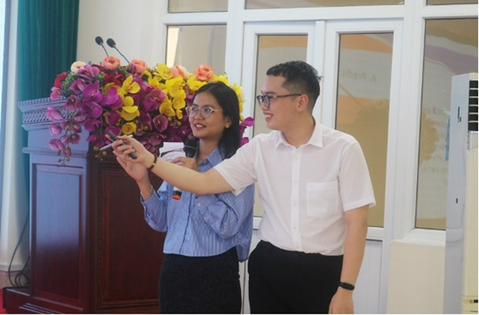
17
Phu Thinh and I hosted the consolidation game for the Seminar at NA
Developing cultural competency was another key focus area. Honestly, this trip gave me the very first chance to interact and have a different perspective on teaching non-majored university English in a local province in Vietnam, something I have never tried before. Teaching English to non-majored university students was a whole new ballgame for me compared to teaching at English centers. These students often didn't have the chance to dive into an English-speaking environment, making confident and fluent communication a real hurdle. As I had a chance to observe one English class instructed by Ms. Thu Ha and then teach another class by Mr. Trung Anh the following day, I could see that most of the students were a bit quiet and passive during the lesson even when the teachers had prepared several interactive activities. The reason may come from their low language proficiency or their anxiety and fear of making mistakes in public. Plus, they hadn't yet formed the habit of processing and exchanging information in English. As a result, our group decided to change our lesson plan, sequences of activities, and even the teaching styles, i.e. from using 100% English during the whole lesson to more Vietnamese CCQs & ICQs and integrating more fun trends on social media into the lesson. This eye-opener called for a more patient and adaptable teaching style, tailored to their unique needs. Grasping these cultural and contextual nuances enriched my teaching practice, and boosted my ability to connect with students from various backgrounds.
That would be a big loss if I forgot to mention my most enhancing skills, leadership. Leadership skills played a big role throughout the practicum, especially when I took the role of the group leader. As mentioned, we faced a bunch of challenges, from preparation time to various types of difficulties during the trip such as different student proficiency levels, teaching materials, seminar slide changing requirements at the final minute, presentation and poster requirements, etc. Hence, as a leader, I had to work constantly online and in person with different people in charge such as our supervisor, other group leaders, tour guide, and other supporters in TBD and NA to ensure our successful and smooth progress in each activity. Tackling these obstacles highlighted the need for strong leadership abilities, like making decisions, solving problems, and resolving conflicts. This journey helped me grow these skills, which are not only key for effective teaching but also crucial for handling real-life work situations.
18

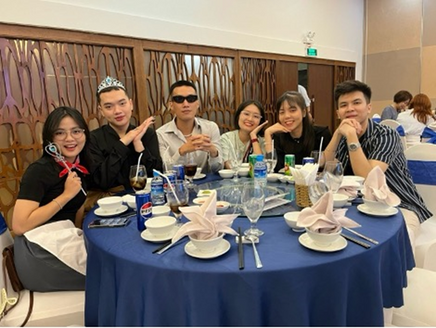
We had some relaxing time besides the academic parts of the trip
In wrapping up, my practicum experience has been a game-changer, arming me with a treasure trove of professional skills vital for my journey as an educator. Jumping into a micro-teaching class and scientific workshop at TBDU, and hosting a seminar on boosting English learning skills at NA, has gifted me with a mix of essential soft skills perfect for an ESL teacher, educational trainer, and academic presenter. This adventure has truly been an enriching and skill-building ride! I would like to express my gratitude to the English Faculty for allowing me to truly experience several wonderful things. I also want to send a big heart to our supervisor, Ms. Tran Thi Minh Phuong for taking care of our team, giving supportive advice, and so constructive feedback. Last but not least, I would say “Thank you, guys! You are the most crucial part of my ‘academic’ memories! Be slay!” Finally, I want to send a big hug to myself for not giving up but putting on the armor and fighting against those challenges to become a stronger, braver, and better version!
2. Nguyễn Phú Thịnh
Embarking on a practicum trip to Thai Binh Duong University (TBD) and the Naval Academy to conduct workshops, microteaching sessions, and a seminar on English learning was a memorable experience. This journey was not only about imparting knowledge but also about expanding my professional skills and evolving my understanding of effective teaching and learning. The following reflection delves into the professional skills I developed throughout the experiences
17
I achieved, and how this practicum has altered my behaviour and perception as an educator.
Regarding professional skills I obtained from the practicum, assessing my peers’ microteaching presentations during our time at TBD University was one of the critical activities. Apart from my presentations, this activity also provided me with a great opportunity to observe my peer’s microteaching performance. This task required keen observational and analytical skills. I learned to identify key elements of effective teaching, such as clarity in instruction, engagement techniques, and adaptability to student needs. Following the mentioned elements, our group tried our best to tailor the lesson to fit TBD’s students’ needs and proficiency. However, owing to several difficulties namely a lack of rapport, time constraints, and technical problems, there were still certain flaws in our performance hence the need for an evaluation of our teaching. Additionally, evaluating these presentations honed my ability to provide constructive feedback facilitating our further discussion. For instance, one peer's presentation on consolidating through a mind-map presentation was both innovative and engaging. Analyzing the strengths of this approach, I recognized the importance of context in making abstract concepts tangible. However, I also noted areas for improvement, such as the need for clearer instructions and pacing adjustments to ensure all students could follow along. This experience underscored the importance of balancing creativity with clarity in lesson planning.
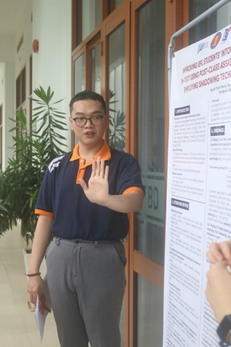
18
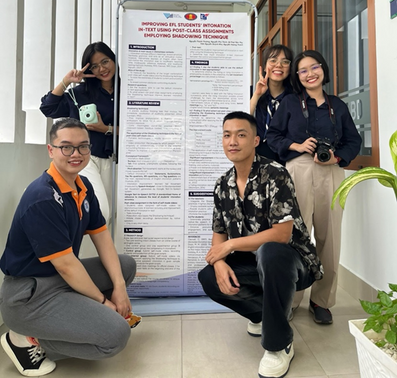
A heat Q&A session during the poster presentation at TBU University
Coming to the preparation stage, the practicum involved extensive planning, from organising the field trip to designing microteaching lessons, workshops and seminars. Coordinating these activities required meticulous attention to detail and foresight. Organizing the trip to TBD University and the Naval Academy involved coordinating schedules, arranging transportation, and ensuring that all materials for the workshops and seminars were prepared. This experience taught me the importance of logistical planning and the ability to anticipate and solve potential problems. In addition, in terms of microteaching, planning my lesson was an exercise in curriculum design and time management. I had to ensure that my lesson was engaging, educational, and could be delivered within a tight timeframe. Fortunately, given an opportunity to have an observation of an English class for non-majored students at TBD University, I obtained more useful information to tailor my lesson. Regarding the preparation for the workshops at TBD University and the seminar on English learning at the Naval Academy, these activities involved creating interactive and informative sessions. This required a certain understanding of the audience's needs and interests. Acknowledging the mentioned issue, we conducted several games and quizzes to enhance the academic atmosphere at the seminar.
Speaking of communication skills, effective communication was a cornerstone of this practicum. Whether interacting with peers, instructors, or participants at the Naval Academy, I learned to articulate my ideas clearly and listen actively to others. Engaging with diverse groups at TBD University and the Naval Academy taught me how to adjust my communication style to different audiences. This adaptability is crucial in teaching, where understanding and responding to students' needs can significantly impact their learning experience. Moreover, providing and receiving feedback was a key component of the practicum. I learned to offer constructive criticism in a supportive manner, focusing on specific areas for improvement while acknowledging strengths. This skill is vital for fostering a positive learning environment and encouraging continuous improvement.
Held in Nha Trang, one of the spectacular tourist attractions, the practicum provided a unique opportunity to deepen my intercultural awareness, particularly regarding teaching and learning English in different cultural contexts. Engaging with students and faculty from TBD University and
19
the Naval Academy allowed me to appreciate the diverse cultural backgrounds that influence learning styles applied by non-majored students. I learned to be more culturally sensitive and to adjust my teaching approaches to better align with the students' cultural contexts.
The practicum required stepping into leadership roles, whether in planning activities, guiding workshops, or facilitating discussions. Leading workshops and seminars in unfamiliar environments taught me to be adaptable and resourceful as I was in charge of the presenter of the poster session. Besides, I learned to think on my feet, adjust plans as needed, and remain calm under pressure as the question and answer session in the poster presentation during the workshop at TBD University was probably intense. In microteaching presentations, engaging with different communities emphasized the importance of social responsibility in education in which I learned to approach teaching with a sense of purpose, recognizing the potential impact of my work on individuals and communities. This perspective has inspired me to seek opportunities to contribute positively to society through education.
Reflecting on the mentioned skills I learned during the practicum, I realize how much this experience has shaped my behaviour and perceptions as an educator. The process of assessing my performance and receiving feedback has made me more reflective and self-aware as my time distribution for the activity should be considered. In addition, my instructions should be clearer and enhanced with ICQs I now regularly evaluate my teaching methods and seek ways to improve, embracing a mindset of continuous learning and growth. In addition to microteaching, leading the poster presentation in the workshop and game sessions in the seminar boosted my confidence and encouraged me to take more initiative in my professional endeavours. I am now more willing to step into leadership roles and take on challenging tasks that push me beyond my comfort zone.
To put everything in a nutshell, the practicum trip to TBD University and the Naval Academy was a profoundly enriching experience that significantly contributed to my professional and personal growth. Through the development of analytical, planning, communication, cultural competency, and leadership skills, I have gained valuable insights into
20
effective teaching and learning. This experience has not only enhanced my capabilities as an educator but also inspired me to approach my work with greater empathy, creativity, and a sense of purpose. As I continue my journey in education, I am committed to applying these skills and perspectives to make a meaningful impact in my field.
3. Trần Nguyễn Quỳnh Như
Throughout the practicum, I developed several professional skills that will be invaluable in my future teaching experience. These skills include assessing peers, critical planning, communication, cultural competency, social responsibility and leadership. I developed the ability to assess peers effectively, providing constructive feedback that enhances collaborative learning. My planning skills were sharpened through meticulous scheduling and organization of tasks. Strong communication strategies were cultivated, enabling clear and effective interactions with colleagues and students. I also gained cultural competency, allowing me to navigate and respect diverse backgrounds. Finally, I embraced leadership roles, guiding group projects and facilitating teamwork, which collectively enriched my capabilities as an aspiring educator.
Assessing peers helped me to develop my analytical skills. Through observing the approaches adopted by my co-teachers during micro-teaching sessions and our collective problem-solving endeavors across three projects, I have gleaned diverse strategies for overcoming obstacles. Reflecting on these assessments has enabled me to systematically analyze both strengths and weaknesses, fostering a broader perspective. Despite the potential for bias inherent in peer assessment, it has paradoxically enhanced my capacity to critically evaluate my own biases. By scrutinizing the methodologies and outcomes of others, I've cultivated a deeper understanding of the spectrum of approaches to problem-solving. This process has not only refined my analytical skills but has also enriched my ability to adapt and innovate in various contexts. In essence, engaging in peer assessment has been a multifaceted learning experience, nurturing not only my analytical prowess but also my self-awareness and capacity for objective evaluation.
21
Working in Group 3.1 was one of the best experiences in my academic life
Effective planning was pivotal in managing the practicum's diverse demands. This process began with breaking down the extensive workload into manageable, actionable tasks and scheduling them strategically to meet deadlines efficiently. To stay on top of everything, utilizing checklists and a detailed planner became indispensable tools for maintaining organization and focus. Each task was assigned a specific timeline, allowing for a clear overview of priorities and ensuring that no critical assignments were overlooked or delayed. Moreover, keeping track of communication channels, such as emails and Zalo, was equally essential. Regularly checking these platforms ensured that all important updates, instructions, and changes were promptly received and integrated into the planning process. This proactive communication strategy minimized the risk of missing out on vital information and allowed for timely adjustments to the schedule. By combining meticulous task management with vigilant monitoring of information channels, I was able to navigate the practicum's complexities efficiently. This approach not only helped in balancing multiple responsibilities but also enhanced my ability to respond swiftly to emerging requirements and unforeseen challenges. Ultimately, this structured planning methodology facilitated a seamless workflow, enabling the timely and successful completion of all practicum-related tasks and objectives, while reducing stress and enhancing overall productivity.
22
Working within various group dynamics honed my communication skills. My role as a photographer required me to collaborate not only with my immediate small group (Group 3.1) but also with a larger assembly (Group 3) and the trip organizers. Each group had different expectations and needs, which necessitated adaptable and effective communication strategies. I found that conveying important points clearly and concisely was crucial in ensuring that everyone understood their roles and the tasks at hand. This clarity was especially important when coordinating with the larger group and organizers, where miscommunications could lead to significant disruptions. Being mindful of tone also played a significant role, particularly in sensitive situations or when delivering constructive feedback. Active listening and acknowledging others’ contributions helped foster a collaborative environment where ideas could be freely exchanged. I learned the value of providing feedback in a constructive manner, as well as seeking feedback on my work to ensure continuous improvement. This reciprocal exchange of information and perspectives facilitated better connections and smoother teamwork, enhancing our overall productivity and effectiveness as a group. Through these experiences, I developed a comprehensive set of communication strategies that proved essential in navigating and managing the complexities of group dynamics effectively.
The practicum significantly enhanced my cultural competency, particularly in understanding and adapting to the varying levels of English proficiency among local students. In Nha Trang, especially at Thai Binh Duong University, students generally exhibited lower English skills compared to their peers in Ho Chi Minh City. This variation required a nuanced approach to teaching. Fortunately, we had the valuable opportunity to observe the class before taking on teaching responsibilities, allowing us to identify these differences in proficiency. Recognizing this discrepancy early on was crucial as it prompted my team and me to adjust our lesson plan to better suit the students' needs. We simplified instructional content, incorporated more visual aids, and introduced interactive activities that matched their comprehension level. During the lessons, I closely monitored students' engagement and understanding, making real-time adjustments to ensure they remained involved and grasped the material effectively. This involved slowing down the pace, offering additional explanations, and being ready to modify tasks on the spot based on students’ feedback and responses.
23
This experience underscored the importance of adaptability in teaching and being responsive to students' unique needs. It taught me that cultural competency involves not just awareness of different backgrounds but also the ability to tailor educational approaches to support diverse learning abilities, ensuring all students have the opportunity to succeed.
Adaptability emerged as a crucial element of effective leadership during the practicum. I quickly learned that making timely adjustments to various situations was essential for navigating the dynamic and often unpredictable environment of the practicum. This flexibility allowed me to respond to unforeseen challenges, such as changes in project requirements, different student needs, or evolving group dynamics, ensuring that our objectives were consistently met.One common difficulty I faced was keeping lessons on schedule. When activities ran long, student focus tended to dip. To avoid this, we honed our ability to adjust in the moment. By gauging the lesson's pace, I tried to keep students engaged and ensured all activities fit within the allotted time.
Engaging in diverse group settings also played a significant role in cultivating my sense of social responsibility. Working collaboratively with both my small group and the larger practicum team highlighted the importance of contributing to the collective benefit. This involvement reinforced my understanding that both individuals and organizations have a duty to act in ways that promote the well-being of their immediate environment and society at large. Through group work, I actively participated in discussions, shared insights, and supported my peers, which contributed to the overall success of our projects. This experience underscored the vital role of teamwork and leadership in achieving common goals. It taught me that effective leadership is not just about guiding others but also about being adaptable, collaborative, and mindful of the broader impact of our actions. These insights have profoundly shaped my approach to leadership and social responsibility, preparing me to contribute positively in future professional settings.
The practicum was a valuable learning experience that equipped me with essential professional skills. I improved my capacity to evaluate peers and offer helpful criticism that promotes group learning. My ability to plan was enhanced by my careful task arrangement and scheduling.
24
Clear and efficient interactions with coworkers and pupils were made possible by the cultivation of strong communication skills. Acquiring cultural competence also helped me to navigate and appreciate people from different backgrounds. Last but not least, I took on leadership responsibilities, supervising group projects and encouraging collaboration, all of which enhanced my potential as a future teacher.
The practicum profoundly influenced my behavior and perception, equipping me with essential skills and insights that will be invaluable in my future teaching career. When I first heard about the practicum and its workload, I found it quite impossible to do up to that many tasks in just only three days. However, as I have been through all these tasks, I feel everything is possible with changes in perception mentioned below. The experience nurtured a (1) reflective analytical approach, (2) systematic task management, (3) adaptive communication, (4) cultural understanding, (5) leadership and social responsibility, and (6) holistic planning. These developments have prepared me to navigate and thrive in diverse and dynamic educational settings.
To begin, my engagement in peer evaluations cultivated a habit of continuous self-reflection and improvement. Our Group 3.1 has five teachers, together with Group 3.2. In total, there were 10 teachers with various teaching styles. Observing diverse teaching methods expanded my understanding of various educational strategies, encouraging me to question my assumptions and refine my approaches. This reflective process heightened my ability to objectively assess my practices and adapt new, effective techniques to enhance my teaching.
Next, the practicum experience revolutionized my organizational skills by embedding a systematic approach to task management. One of the hardest tasks in planning was determining priorities. When there were a number of tasks to follow, I developed a keen sense of prioritization, allowing me to navigate complex responsibilities with ease. I also helped the group leader to set deadlines and reminders on a regular basis. These plan making skills transformed how I tackle multifaceted projects. Eventually, these skills instilled a disciplined and proactive mindset that ensures efficiency and timely completion of tasks.
25
Moreover, my communication style became more flexible and situationally aware, adapting to the distinct needs of various groups (i.e. Group 3.1, Group 3, and the practicum organizers). We worked in the smallest unit for micro-teaching and poster presentation. Fortunately, our Group 3.1 had a great leader who assigned tasks equally, so each member did their work before the deadline with regular check-ups. In the bigger group (Group 3), the smoothness in communication required more effort. This adaptability in communication between small groups enabled me to foster stronger connections and ensure clarity in interactions, improving both collaboration and conflict resolution within diverse team settings. It also honed my ability to deliver and receive feedback constructively, enhancing overall group synergy.
Besides, the practicum significantly deepened my cultural understanding by pushing me to develop more nuanced instructional strategies. In other words, our motto was “expect the unexpected”. By tailoring my teaching methods to suit the diverse linguistic and cultural backgrounds of students in Thai Binh Duong University, I learned to create more inclusive and accessible learning environments. This experience heightened my sensitivity to cultural dynamics, leading to more empathetic and effective teaching practices.
Additionally, my perception of leadership evolved to prioritize adaptability and situational responsiveness, not to mention the social perspective enhanced through doing group projects. I developed the ability to make informed as well as unprompted decisions that cater to the changing needs of both the group and the project. This flexibility strengthened my capability to guide teams through unforeseen challenges, emphasizing a leadership style that is both decisive and adaptable. Moreover, working within various group settings enriched my understanding of social dynamics and collective responsibility. This exposure fostered a deeper appreciation for the importance of contributing to group success and supporting peers. Therefore, I learned to balance individual and group goals, promoting a collaborative ethos that underscores the value of teamwork and shared accountability.
Finally, the practicum instilled a holistic approach to planning and execution, integrating task management with real-time adaptability.
26
This perspective allowed me to navigate the complexities of the practicum efficiently, enhancing my ability to manage multiple responsibilities while maintaining a clear focus on overarching goals. It not only improved my ability to juggle multiple responsibilities but also instilled a proactive mindset. Thus, it enabled me to anticipate and swiftly adapt to emerging challenges.
To sum up, these transformative experiences during the practicum significantly enhanced my behavior and perception, equipping me with a refined set of skills and a deeper understanding of my role as an educator. These insights have laid a strong foundation for my future teaching endeavors, preparing me to effectively address the diverse and dynamic challenges of the educational landscape.
4. Nguyễn Hoàng Thành
The practicum, despite its short duration, has literally offered extensive insights into teaching at a tertiary education level and related academic activities, as well as an unforgettable gala night. I have gained tremendous experience and precious memories that will be ingrained in my mind for good. In this section, I would like to briefly recapitulate this brilliant trip and share certain reflections from my perspective.
First, concerning the micro-teaching itself, I have learnt that teaching non-major EFL learners at a university or a college is truly different and challenging. As a teacher of IELTS at a centre for about three years, I have been well-accustomed to a small-sized class which has ten to fifteen students; therefore, I had a bit of difficulty in dealing with a class with a larger number of students at the practicum university site. It seems that other students in my practicum team had the same trouble, as we were not really fluent in our instructions and especially did not manage our allotted time well. This issue really makes me consider being better prepared in the near future if I become a lecturer at a university or a college. In addition, I have witnessed that the interactions at a university might seem looser than a class at a language centre due to the larger volume of learners. This can also be attributed to the fact that the students at a university do not have great bonds with others like a class at a language school so I believe one of the most optimal solutions is that I really need to incorporate more backup activities, including pair-work
27
or even group-work, hence improving the class connections for a more exciting and interactive class atmosphere.
Second, regarding preparations for the field trip in general and the workshop and the gala dinner in particular, teamwork spirit and responsibilities are major contributors to the trip's success in my mind. Before the field trip, each member of my team was eagerly doing research about the schools and the learners there, and then sharing with other members as well as other teams. The sense of teamwork was greatly raised among different teams, which made the field trip truly worthy and fruitful. Besides, for the workshop presentation to proceed without regrettable mistakes, my team had made a really detailed plan which stated each member’s role and duties. I and another member were in charge of designing the standee, and that was one of my first times experiencing a creativity-related task. It was not really easy but I finally completed the task without serious faults and gained specific experiences which might be useful for later. About the gala dinner, it was a once-in-a-lifetime memory for me, all the other students, and the supervising teachers. I did not join the organizing team but I must say that they did a wonderful job in making such a memorable farewell event that genuinely connected and entertained all the event attendants. We had a night full of joy from singing performances and games.
The next aspect of the trip is how I perceived my teaching at a local or province-level university. This is literally an eye-opening experience for me. To be honest, teaching learners of non-English majors at a local university is a tough task for me and other lecturers from my view. The non-English major students there do not have such the high English competencies of those in big cities like Ho Chi Minh City. Therefore, the lecturers at these universities and colleges really have to support their learners to a great extent. Not only do the teachers there need to motivate their learners but they also have to conduct a really exciting and interesting lesson, even much more than a lesson in a university in Ho Chi Minh City, so that the learners feel motivated to come to the English class. Besides, from my observation, there should be specific punishments from the lecturers to decrease the learner’s absence or drop-out rate. In general, the teachers there should balance well between being encouraging and strict on their learners. This is a professional skill of a lecturer that I really need to
28
develop when I become one in the near future.
The field trip is a precious chance for me to observe and learn and it is also an opportunity for me to assess myself and my professional development. I am rather happy and satisfied with how I contributed to my team’s tasks. We shared, we discussed, and we even debated, but in the end, we paid each other real respect and put aside our egos for the success of the teamwork. I learnt from my peers as much as they learnt from me. Regarding my professional development, as I, like most of the other M.A. students in my cohort, plan to become a lecturer later on, I have realized that I need to improve a lot and I have to start preparing for that career path immediately since becoming a competent lecturer at a university or a college is challenging yet rewarding, based on my observations from this field trip. It is vital that I continuously read more books and research to enhance my teaching skills, but I also need to seek more opportunities to have hands-on experience at different universities and colleges at my place.
To sum up, this field trip is a remarkable event in my M.A. student life since it has given me various brilliant insights into teaching English at a higher level of education. I have learnt so much from other peers and local lecturers, and these practical experiences will be tremendously beneficial for my upcoming professional and academic opportunities.
5. Võ Thái Tâm Thy
Reflecting on my practicum experience, it has been transformative, equipping me with a multitude of professional skills that are invaluable to my growth as an educator. Engaging in activities such as micro-teaching, presenting scientific research, and participating in a seminar on English learning tips has provided me with practical insights and a deeper understanding of the multifaceted nature of teaching.
One of the most significant skills I honed was my analytical and assessment capability. Evaluating my peers' micro-teaching presentations was particularly enlightening. Each peer made commendable efforts to prepare and deliver their lessons, despite the challenges posed by unfamiliar classrooms and varying levels of student proficiency. Observing their ability to create dynamic and engaging classrooms
29
where students were encouraged to participate actively and work collaboratively was inspiring. However, time constraints were a common hurdle; many of us found it challenging to complete our lessons as planned, often running over the allotted time or having to cut activities short. This experience underscored the importance of precise time management and adaptability, reinforcing my ability to critically assess and dynamically adjust teaching strategies.
Planning skills were another area where I experienced substantial growth. Coordinating various activities, from organizing field trips and micro-teaching sessions to planning workshops and a gala, required meticulous planning and collaboration. Our team, led by the dedicated and supportive Thuong, managed our tasks through frequent online meetings and detailed task lists. Despite our busy schedules, we committed to deadlines and regularly checked in to ensure everything was on track. This collaborative effort highlighted the importance of clear communication, thorough preparation, and unwavering commitment to collective goals.
Communication skills, essential for any educator, were also significantly enhanced during this practicum. Our group's long-standing collaboration since the beginning of the MATESOL program allowed us to work seamlessly together. However, continuous cooperation with our supervisor and other teams was crucial to ensure timely completion of tasks. This experience taught me the importance of effective communication, not just within my immediate team but across different groups and hierarchies. It also reinforced the need for active listening, clear articulation of ideas, and the ability to coordinate efforts smoothly.
Cultural competency was another critical area of development. Teaching English to non-majored university students revealed stark differences from teaching at English centers. These students often lacked opportunities to immerse themselves in an English-speaking environment, making it challenging for them to communicate confidently and fluently. They also had not developed the habit of processing and exchanging information in English. This realization necessitated a more patient and flexible teaching approach, tailored to their unique needs and competencies. Understanding these cultural and contextual
30
differences enriched my teaching practice and enhanced my ability to connect with students from diverse backgrounds.
Leadership skills, particularly adaptability and social responsibility, were crucial throughout this practicum. We encountered several obstacles, from varying student proficiency levels to changing presentation requirements. Navigating these challenges underscored the importance of strong leadership skills, such as decision-making, problem-solving, and conflict resolution. This experience allowed me to cultivate these competencies, which are not only essential for effective teaching but also pivotal for real-life working scenarios.
It is evident that during the practicum, I have undergone a significant shift in my behavior and perception towards language teaching. Firstly, I now prioritize meticulous planning and flexible teaching approaches to cater to the unique requirements and diverse needs of students. Initially, my teaching style was more rigid, focusing predominantly on delivering content efficiently. However, the practicum's diverse activities, including micro-teaching sessions, highlighted the necessity of being adaptable. After undergoing several unforeseen challenges, such as unfamiliar classroom settings and varying levels of student proficiency, it dawned on me that effective teaching is not just about sticking to a plan but also about being able to pivot and adjust based on real-time classroom dynamics.
Secondly, my analytical skills have seen a significant boost, allowing me to assess situations more effectively and adjust my strategies accordingly. Evaluating my peers' micro-teaching presentations provided practical insights into the importance of continuous assessment and reflection. Each session became a learning opportunity where I could observe different teaching methods and their outcomes. This practice has enhanced my ability to critically analyze classroom situations and develop strategies that are both effective and responsive to student needs. A successful educator must be a keen observer and a critical thinker, constantly assessing and refining their approaches to ensure optimal learning experiences.
31
Thirdly, my communication skills have strengthened, emphasizing collaboration and responsiveness. The practicum required constant interaction with peers, supervisors, and students, which reinforced the importance of clear and effective communication. Coordinating various activities, such as planning workshops and organizing field trips, highlighted the need for precise communication and teamwork. Our frequent online meetings and collaborative efforts underscored that effective teaching is a collective endeavor. This experience has made me more attuned to the importance of listening actively, providing constructive feedback as teaching is not an isolated activity but one that thrives on collaboration and shared goals.
Moreover, this holistic growth underscores my commitment to fostering an engaging and supportive learning environment for my students. The practicum has taught me that creating a positive classroom atmosphere goes beyond delivering content; it involves understanding the diverse backgrounds and needs of students, being flexible in teaching methods, and continuously assessing and improving one's approach. This experience has deepened my empathy and sensitivity towards students' unique challenges, reinforcing my dedication to providing a supportive and inclusive learning environment.
Overall, these changes in behavior and perception have not only enhanced my professional efficacy but also solidified my commitment to being a better educator. The practicum experience has been transformative, equipping me with the skills and insights needed to create a dynamic and effective learning environment. It has underscored the importance of being adaptable, analytically sharp, and communicatively effective, ensuring that I am well-prepared to meet the diverse needs of my students and foster their academic growth.
32
PART 5: REFERENCES
Anderson, R. C., & Pearson, P. D. (1984). A schema-theoretic view of basic processes in reading comprehension. In P. D. Pearson, R. Barr, M. L. Kamil, & P. Mosenthal (Eds.), Handbook of Reading Research (Vol. 1, pp. 255-291). Longman.
Harmer, J. (2015). The Practice of English Language Teaching (5th ed.). Pearson.
Richards, J. C., & Schmidt, R. (2010). Longman Dictionary of Language Teaching and Applied Linguistics (4th ed.). Longman.
Long, D. (1980). Theoretical linguistics and second language acquisition. Language Teaching & Literature, 1(1), 64-84.
33
PART 6: APPENDICES
IV. APPENDIX A: Teaching materials
Students’ handouts:
STUDENT A: LISTENING TRANSCRIPT
Maria: Hi and welcome to my weekly podcast. I’m Maria and, as usual, today I’ll try to motivate you by speaking to motivated people! Today I’m talking to Linzi. Hi, Linzi. You are studying environmental law at university. So, what motivates you?
Linzi: Um, well, I’m not sure! I always push myself to be successful and I like challenges … Plus my parents always encourage me, and my brother is a lawyer, so maybe I’m competitive with him. I dunno. I mean, I know it’s not money …!
Maria: Well, in fact, there are lots of studies to show that money is not motivating for thinking tasks.
Linzi: Oh! Why?
Maria: Well, I’ll explain! So, one experiment asked two groups to do the same task. They offered one group the reward of lots of money and one group a little money to do it as quickly as possible. And do you know who was faster?
Linzi: Who?
Maria: Both groups took the same time! Linzi: Wow! Why?
Maria: Well, the task was, like, a puzzle, so people had to, er, think. The experiment showed that people generally do thinking tasks or learn new things for fun.
Linzi: I sometimes think I, like, study for fun!
34
Students’ handouts:
STUDENT B: LISTENING TRANSCRIPT
Maria: Many people do. On the other hand, there are studies that show getting a reward like money is motivating for tasks that use your body.
Linzi: Oh good! Can you pay me to go to the gym? It’s so boring! But, uh, don’t tell my coach I said that!
Maria: Ha! I won’t tell anyone! You need to find something you like. I’ll help motivate you! What exercise do you enjoy?
Linzi: Y’know, I’m crazy about basketball.
Maria: So do that then! And try to do it with friends. Exercising with friends or listening to music is very motivating. Do you enjoy studying?
Linzi: Yes, I do. I mean, I don’t like working all day every day, but I think my research is important.
Maria: Feeling like you are making a difference and having a goal is also motivating. I’ll tell you my three motivation rules: choose, improve and have a purpose.
Linzi: Nice song! I’ll remember that! Choose, improve and have a purpose.
Maria: Good, isn’t it? Helps you remember! Choose things you enjoy …
35
Teachers’ handouts:
STUDENT A: LISTENING TRANSCRIPT
Maria: Hi and welcome to my weekly podcast. I’m Maria and, as usual, today I’ll try to motivate you by speaking to motivated people! Today I’m talking to Linzi. Hi, Linzi. You are studying environmental law at university. So, what motivates you?
Linzi: Um, well, I’m not sure! I always push myself to be successful and I like challenges … Plus my parents always encourage me, and my brother is a lawyer, so maybe I’m competitive with him. I dunno. I mean, I know it’s not money …!
Maria: Well, in fact, there are lots of studies to show that money is not motivating for thinking tasks.
Linzi: Oh! Why?
Maria: Well, I’ll explain! So, one experiment asked two groups to do the same task. They offered one group the reward of lots of money and one group a little money to do it as quickly as possible. And do you know who was faster?
Linzi: Who?
Maria: Both groups took the same time! Linzi: Wow! Why?
Maria: Well, the task was, like, a puzzle, so people had to, er, think. The experiment showed that people generally do thinking tasks or learn new things for fun.
Linzi: I sometimes think I, like, study for fun!
36
Teachers’ handouts:
STUDENT B: LISTENING TRANSCRIPT
Maria: Many people do. On the other hand, there are studies that show getting a reward like money is motivating for tasks that use your body.
Linzi: Oh good! Can you pay me to go to the gym? It’s so boring! But, uh, don’t tell my coach I said that!
Maria: Ha! I won’t tell anyone! You need to find something you like. I’ll help motivate you! What exercise do you enjoy?
Linzi: Y’know, I’m crazy about basketball.
Maria: So do that then! And try to do it with friends. Exercising with friends or listening to music is very motivating. Do you enjoy studying?
Linzi: Yes, I do. I mean, I don’t like working all day every day, but I think my research is important.
Maria: Feeling like you are making a difference and having a goal is also motivating. I’ll tell you my three motivation rules: choose, improve and have a purpose.
Linzi: Nice song! I’ll remember that! Choose, improve and have a purpose.
Maria: Good, isn’t it? Helps you remember! Choose things you enjoy …
37
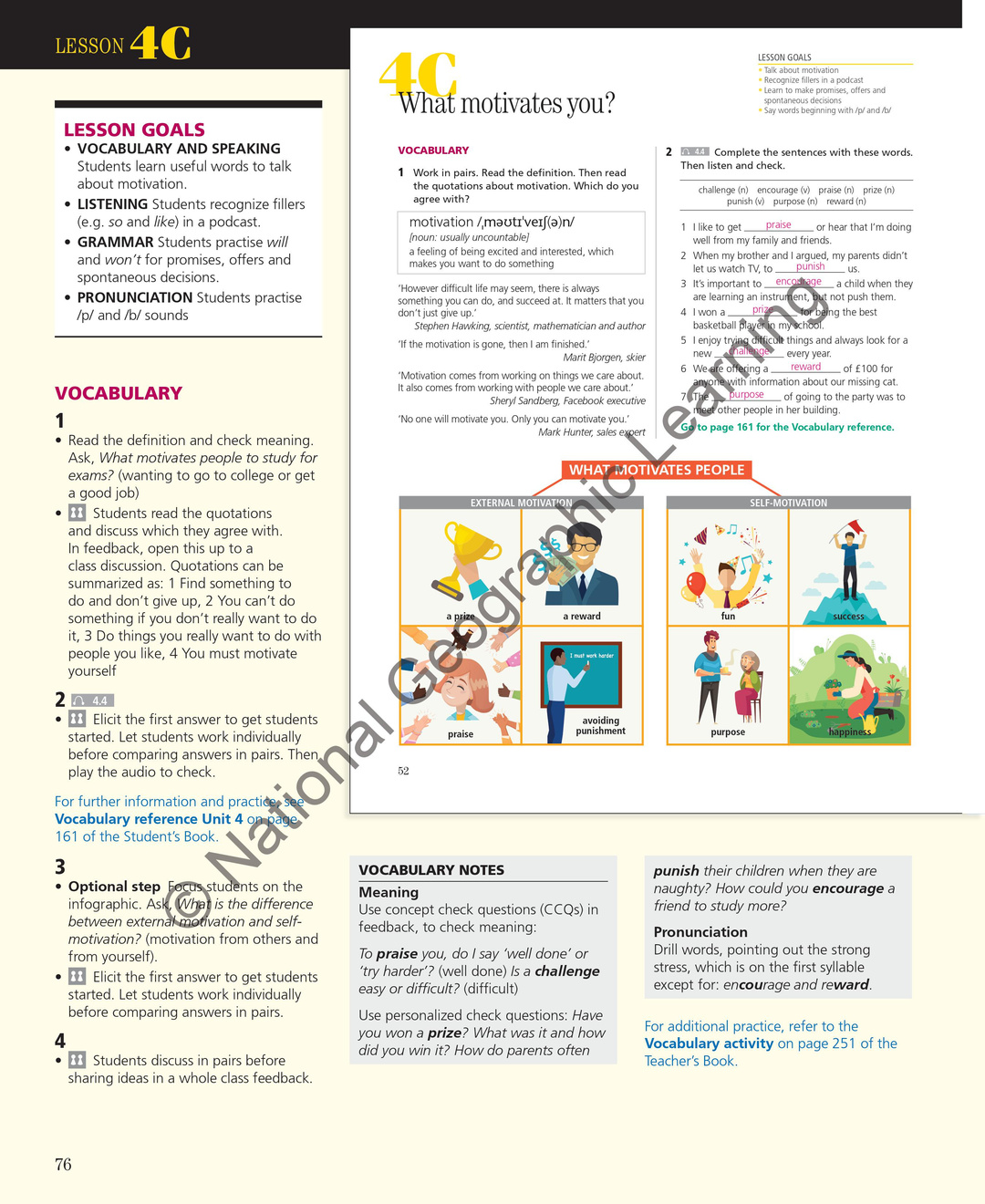
38
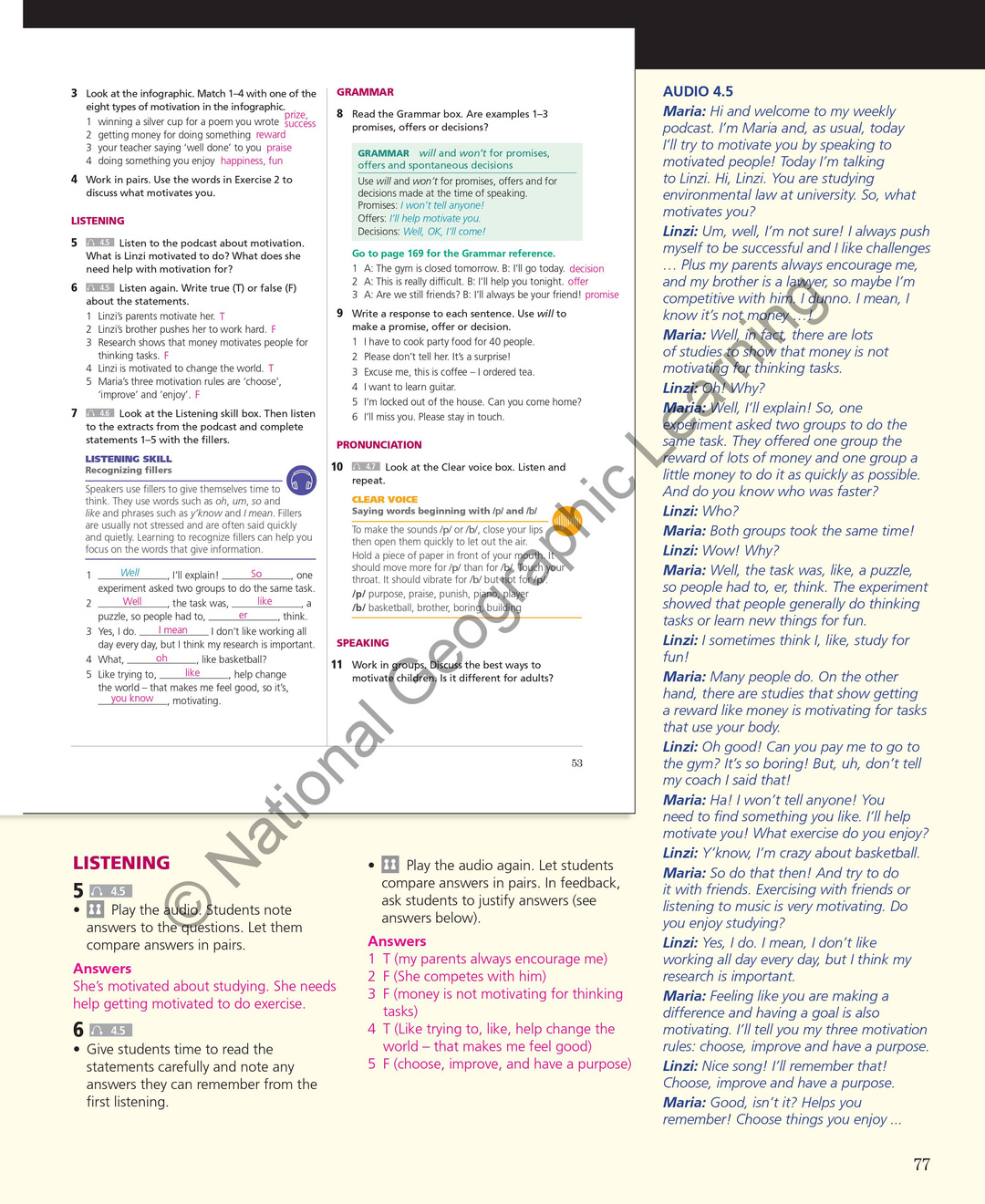
39
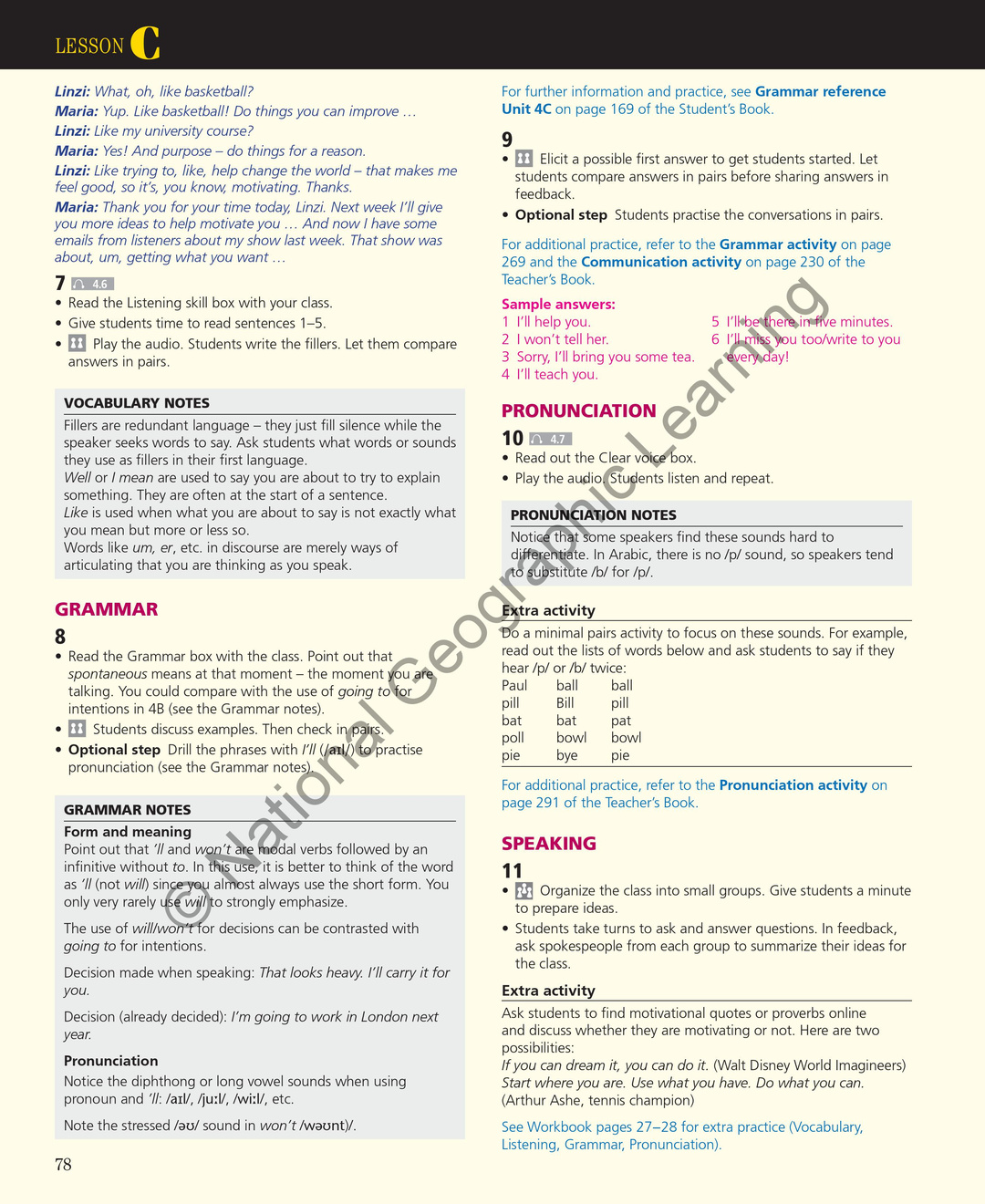
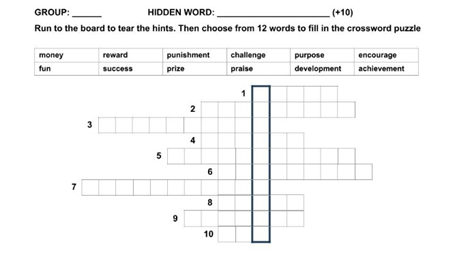
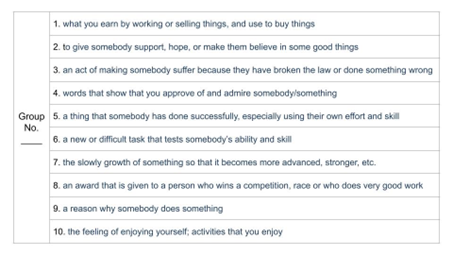
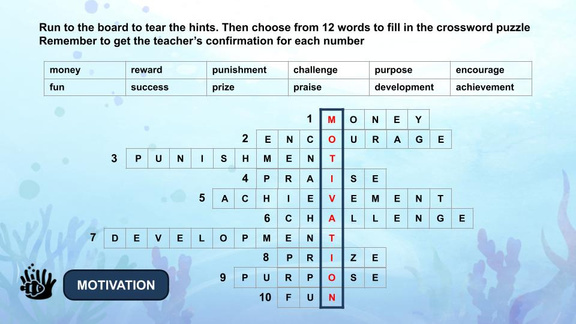
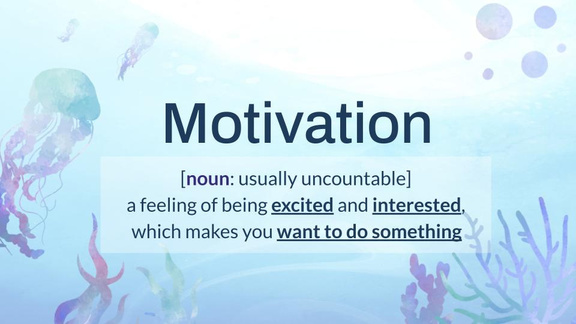
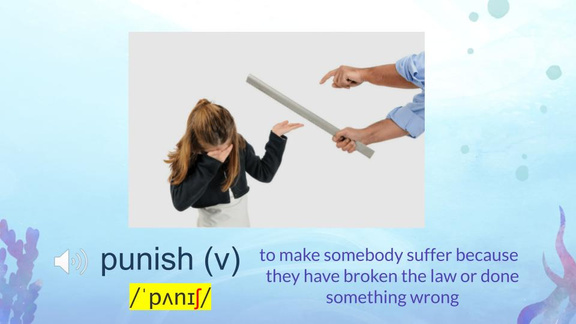
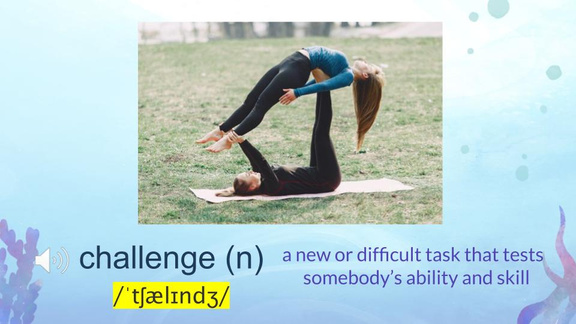
42
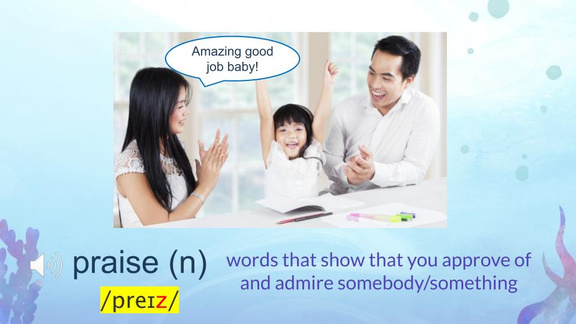
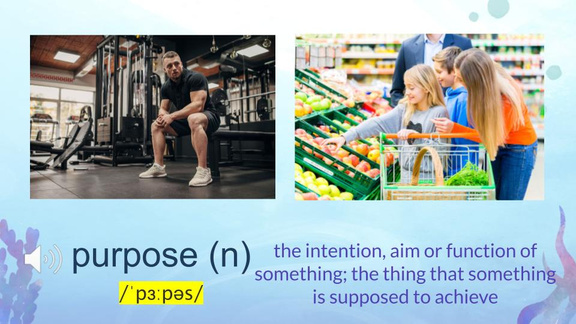
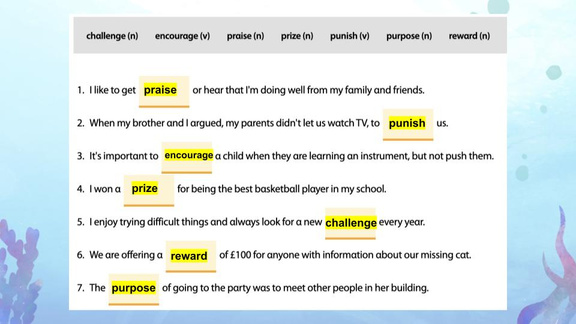
43
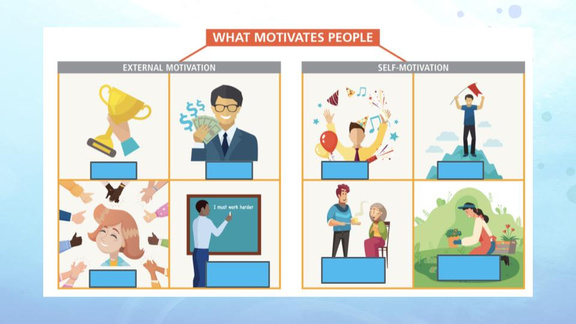
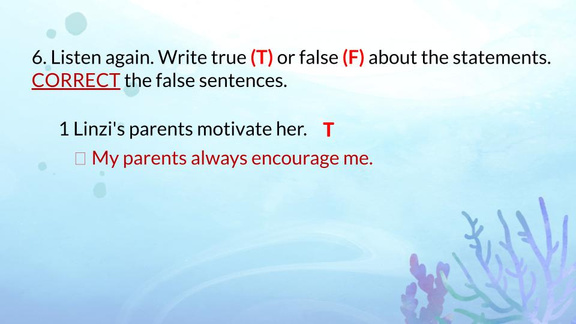
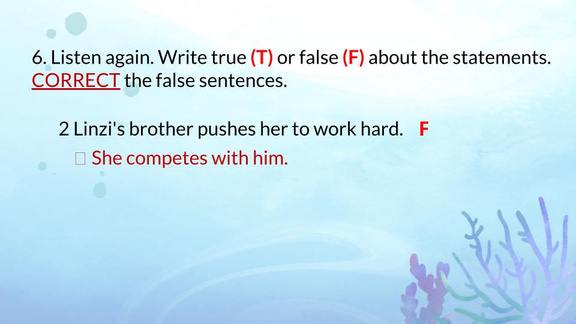
44
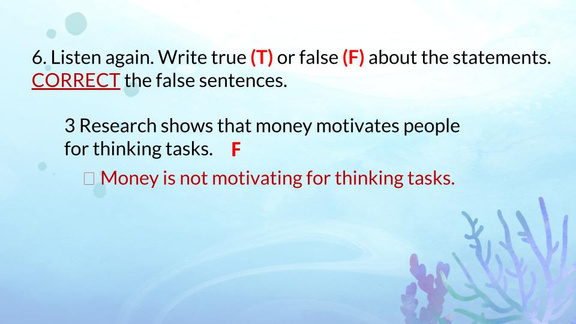
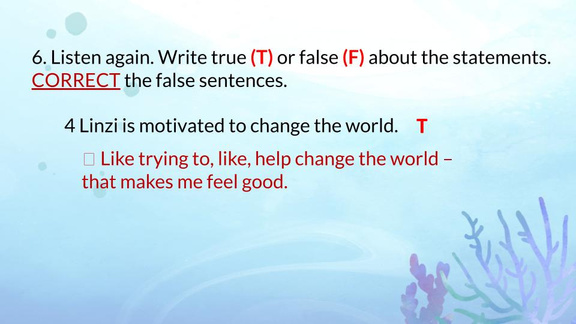
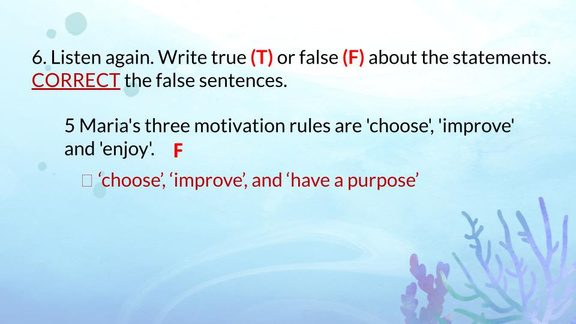
45
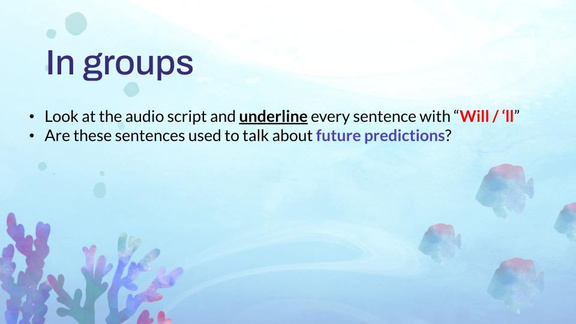
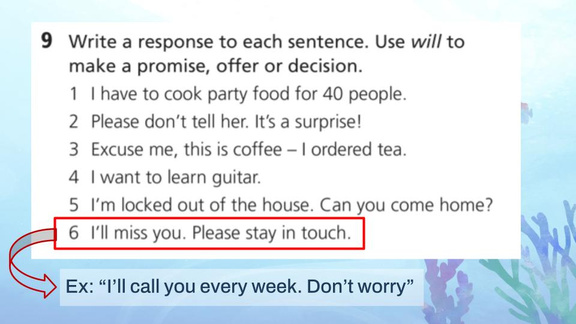
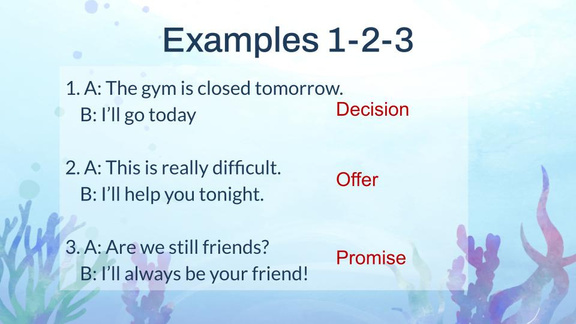
46
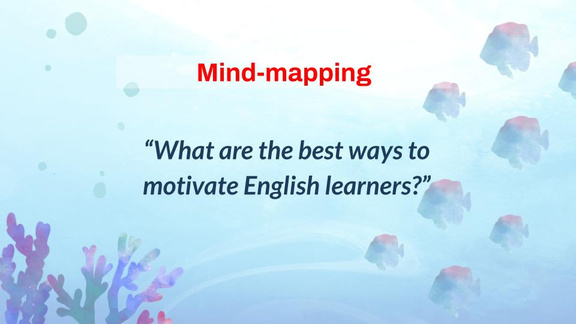
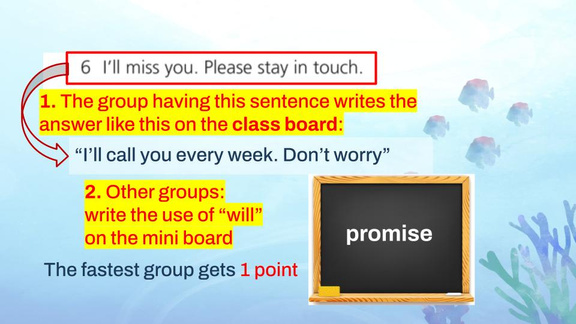
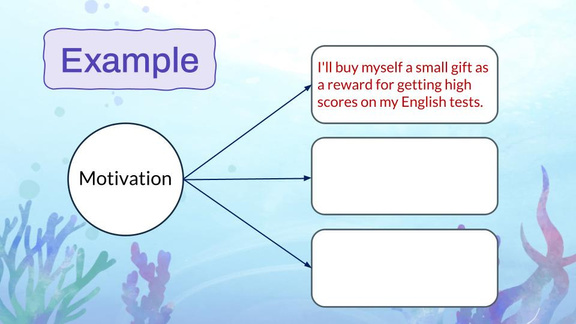
47